The ECoC evidence base
Forty years of European Capitals of Culture in their own words: what cities promised, what they did, and what the evaluations found.
documents
cities
evaluations
bid books
title years covered
18 documents of type bid book (final selection) for “Young people”
Clear
Génération Maastricht – Children age 6-18 – The 65+ generation – Minorities and migrants in Europe, people who have come from outside Europe, following the work or for political or religious reasons.

Date: 2014 SWITCH—REVEALING HIDDEN AGENDAS IN FASHION, THE MEDIA, GAMING AND MUSIC Switch is a competition of power strategies, where young people are given the opportunity to swap places with a hidden wielder of power within the fields of…
We dedicate a significant part of the programme to the young generation. More than 2,000 young participants from all over Europe will enrich the Contemporary Capital programme in the Explosion period (2021–2022) led by at least 100 young…
Its goal will be a mutual transfer of know-how: from Majáles towards partners in engaging the young generation and the other way round of professionalisation in several areas chosen by the team.
…with their attention on climate, democracy, My Life Is Somewhere Else… is all about getting the young people to stay in or return to the region, like the whole idea of the Bodø2024 legacy.
How do young people see the future of democracy (Future Generations Studio), how do we make an arts centre a truly democratic and inclu- sive place (Performing Arts Site) and how do we guarantee democratic values in a digitalized world…
The special way that children (with Playground or Alternative Routes) and young people (with Builtopia or Music Side) look at the world enables us to tackle highly topical issues and build for tomorrow.
A Special Responsibility to Young People Young people will always constitute a special group, if only for the fact that they hold the keys for the cities of tomorrow.
Fostering intergenerational theatre through the formation of three groups of different ages – young people, adults and older people – and creating new theatre productions.
Rub- bish! a mega-young people’s culture festival, including a nationwide young People’s Cul- ture Prize will be attracting children and young people from the Ruhr Metropolis and all over Europe to present the results of their artistic…
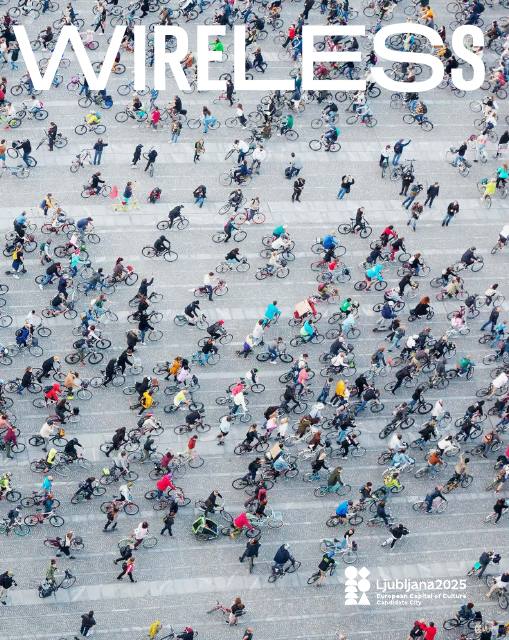
Young people aged 15 to 22 are one of the target groups that the existing media have greatest trouble reaching. Thus – Basement Radio, a radio programme produced by young people for young people.
Our 5th block of the audience development framework focuses on young people and education. We have worked really closely with Liepāja’s Education Department which has universally embraced ECoC as an opportunity to really shake up the…
Such examples are Studentski Grad, an area featuring 7 universities and a community of about 80,000 people 25,000 of whom students, where only 1% of the residents are content with the local cultural offering; and the communities of densely…
The local secondary schools and universities have been identified as the best in the country, and thus many young people enrol in local institutions to get a good education.
…Young people – secondary school age (15 - 19 years) In cooperation with school managements and teachers of art, we will keep secondary school pupils regularly informed of oppor- tunities to join the activities of the Novi Sad 2021 Project.

În Municipiul Baia Mare s-a constatat un progres la nivelul intențiilor și proceselor interne ce vor putea să conducă la un ecosistem de tineret viabil din punct de vedere al implementării unui program amplu de tineret.
The Region has been a leading Region in France and Europe for more than 20 years ensuring equality for gender, against discrimination, and people with disabilities as pillars of the economic, cultural and social development.
Young people play a key role within our artistic programme, especially in Future Sound Stars Incubator (with young urban musicians). We are already connecting with young people from across the continent, including the Cultterra team in…