The ECoC evidence base
Forty years of European Capitals of Culture in their own words: what cities promised, what they did, and what the evaluations found.
documents
cities
evaluations
bid books
title years covered
7 documents of type bid book (pre-selection) for “Capacity building of cultural sector”
ClearStructural consultation between the GKO and the social, care and welfare sectors, to increase dialogue between social needs and artistic planning and programming. 6.
Close cooperation and partnership bringing mutual benefits among municipalities, local NGOs and the private business sector are crucial for small European communities to survive watershed moments.

Part of enhancing the cultural experience of the city, is the development of cultural infrastructure. This includes projects that range from the construc- tion of new cycle paths to the restoration of a com- munist building, or the reuse…
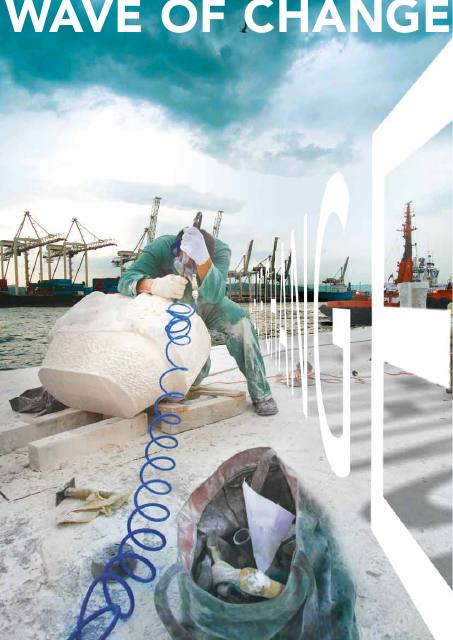
Lipps, Theatron, 2015 in Study on Audience Development - How to place audiences at the centre of cultural organisations, European Commision, 2015) Across the PIKA region there are already some existing good practices in the field of…
INCLUSION Strengthening the capacity and expertise in the cultural and cre- ative sector Systematically, full advantage must be taken of existing knowledge, expe- rience, and results born from previ- ous subsidized projects.
…big events like ECoC create disruptions and it is important to manage them wisely in order to achieve a long-lasting positive impact on the cultural scene that would extend beyond the event as such.
CULINARY CULTURAL HERITAGE TRAINING PROGRAM. The idea is to train the kitchen chefs, cooks, food service providers to develop region's cultural culinary heritage so that, with the help of the culinary heritage, the field of the cultural…