The ECoC evidence base
Forty years of European Capitals of Culture in their own words: what cities promised, what they did, and what the evaluations found.
documents
cities
evaluations
bid books
title years covered
9 documents of type ex-post evaluation for “Capacity building of cultural sector”
Clear
Increased skills and professionalism within the cultural sector. 2. Enhanced collaboration between amateurs and professionals. 3. Expanded international partnerships and cultural exchanges. 4.
building their capacity is essential to developing a cultural programme that is authentic to the city and which involves local citizens. One important form of support is creating opportunities to widen contacts and networks, particularly…
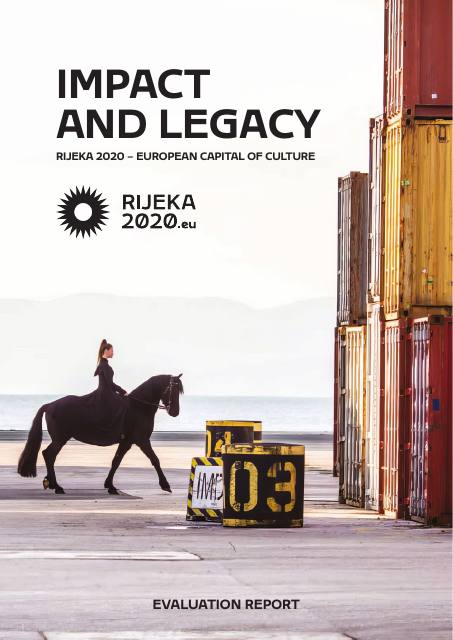
For the implementation of the Rijeka 2020 - European Capital of Culture project, it was crucially important to develop capacities within the cultural sector in order to enable the implementation of a rather comprehensive project, but also…
Nonetheless, there were instances of very high quality and overall the cultural programme offered a diversity of activities of many different artistic disciplines.
…in: ● Managing collaborations: facilitating discussions, mediating conflicts, and ensuring inclusive participation in co-production. ● Intercultural skills: adapting communication and navigating diverse perspectives in co-production.
ECoC objective: Develop the skills, capacity and governance of the cultural sector ECoC objective: Stimulate partnership and co-operation with other sectors ECoC objective: Improve cultural infrastructure Galway 2020 aimed to build the…
Move beyond consumption-oriented cultural policies (ie. ‘We See-culture events’) to include active participation and co-creation by youth (ie. See Me-culture events).
Some projects also included a specific capacity-building dimension. In particular, the MikroGRANTY programme has helped built capacity of many NGOs and individual operators.